


Reuters: States are Cracking Down on Data Centers
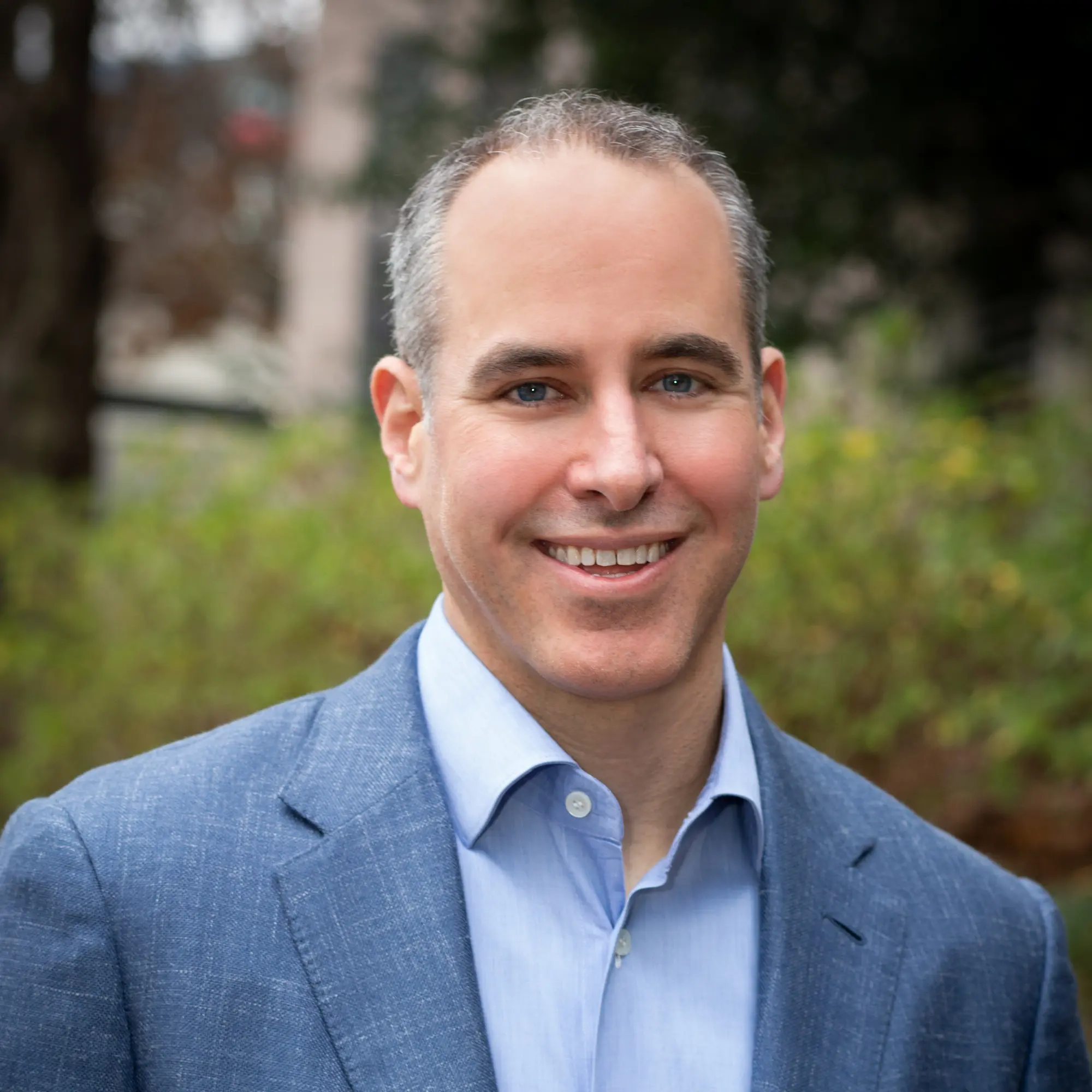
Peachtree Group CEO Greg Friedman told Reuters that while AI is fueling data center investment, power, water and execution risks could leave many projects unrealized.


As commercial real estate moves through another stage of the market cycle, investors are asking a familiar question: Where are the opportunities today?
In the latest episode of Peachtree Point of View, Greg Friedman, CEO of Peachtree Group, and Daniel Savage, SVP of Investment & Strategy at Peachtree Group, welcomed Mark Zandi, Chief Economist at Moody's Analytics, to discuss the U.S. economic outlook and what it means for commercial real estate investors.
Rather than focusing solely on interest rates, the conversation explored a broader shift taking place across capital markets. As higher financing costs reshape the industry, investment decisions are increasingly driven by capital structure, refinancing needs and disciplined underwriting.
For investors, understanding those dynamics may be just as important as following economic headlines.
Several factors continue to influence investment decisions across commercial real estate.
These include:
• Higher long-term interest rates
• Moderating inflation
• Slower but stable economic growth
• A large wave of commercial real estate loan maturities
• Continued reliance on private credit
According to Zandi, the U.S. economy continues to show resilience despite ongoing uncertainty. While financing costs remain elevated, he expressed optimism about the long-term outlook for the economy, commercial real estate and financial markets.
That combination creates a market where investors must balance patience with opportunity.
Every commercial real estate cycle creates different opportunities.
Today's market is less about predicting when interest rates will decline and more about determining where capital can be deployed most effectively.
Many commercial real estate loans originated during a lower-rate environment are approaching maturity. As those loans refinance, borrowers may need additional capital or more flexible financing structures.
Friedman noted that approximately $1.5 trillion of commercial real estate loans are expected to mature over the next several years.
That refinancing activity is creating opportunities across the capital stack, particularly for investors who can provide financing solutions.
Rather than viewing this as a period of broad market distress, the discussion framed it as a period of capital repositioning.
Private credit has become an increasingly important source of financing within commercial real estate.
What is private credit?
Private credit refers to loans made by non-bank lenders rather than traditional financial institutions. In commercial real estate, these investments can include bridge loans, construction loans, mezzanine financing and preferred equity.
As traditional lenders have become more selective, private credit has helped fill financing gaps for borrowers seeking flexible capital solutions.
During the discussion, Zandi noted that he feels better about the private credit market today than he did a year ago. He pointed to improving transparency, greater market discipline and increased attention from both investors and regulators as positive developments for the industry.
He also emphasized that private credit remains a relatively small portion of the overall financial system, while continuing to play an increasingly important role in commercial real estate financing.
1. Market cycles change investment opportunities.
Today's environment requires investors to evaluate opportunities through the lens of capital structure rather than assuming lower interest rates will drive the next phase of the market.
2. Refinancing activity will remain a major market driver.
As commercial real estate loans mature, refinancing needs are likely to create opportunities for lenders, borrowers and investors across the capital stack.
3. Long-term optimism remains intact.
While near-term market conditions require discipline, Zandi expressed confidence in the long-term strength of the U.S. economy and commercial real estate. Successful investors often adapt their strategies as cycles evolve rather than relying on a single approach in every market environment.
Private credit is financing provided by non-bank lenders. It includes bridge lending, construction financing, mezzanine debt and preferred equity that help borrowers finance or refinance commercial real estate projects.
As existing loans mature, many properties must refinance at today's interest rates. This can require additional equity, new financing structures or alternative lending solutions, creating opportunities for investors with access to flexible capital.
Capital structure refers to how a property or investment is financed through debt, equity or hybrid financing. During periods of higher financing costs, understanding capital structure becomes increasingly important because it influences refinancing options, investment risk and potential returns.