
Peachtree首席执行官谈CRE转向私人信贷
Peachtree首席执行官格雷格·弗里德曼加入 “交易所”,讨论商业房地产私人信用贷款的上升趋势,以及私人债权人如何从银行对商业房地产的直接贷款回调中受益。


The investment landscape is shifting in real time. With wealth moving to younger generations and public markets growing more concentrated, investors are confronting a central challenge: how do you build true diversification when the old playbook no longer fits?
Jen DeSisto, Chief Investment Officer at CW Advisors, has a front-row view of this change. In a recent Peachtree Point of View conversation with Greg Friedman, she shared clear insights on what portfolios really look like today and how investors can approach diversification with purpose.
The Portfolio Problem You Might Not See
Here is a statistic that should get your attention: “The number of publicly traded stocks has been cut in half in the last 20 years,” DeSisto notes. At the same time, the S&P 500 has grown more concentrated in a small group of technology companies, with the Magnificent 7 driving much of the recent performance.

So what does this mean for your portfolio? If you lean heavily on traditional public markets, your exposure is likely more concentrated than your allocation suggests. You are also investing in a shrinking set of public companies at a time when private companies and private market opportunities have expanded.
Your Investor Profile Matters
The right allocation to alternative investments is never one size fits all. It depends on your liquidity needs, tax profile, portfolio size and risk tolerance.
For accredited investors exploring alternatives for the first time, DeSisto suggests beginning with 5 to 10 percent in private investments. “We try to leg into some of these private investments,” she explains. “We have tried to build a diversified mix that offers semi-liquid features or income distributions.”
For qualified purchasers with larger portfolios and more flexibility, the allocation shifts. “We recommend 30 to 40 percent in private investments,” DeSisto says. This typically includes private equity and venture at 12 to 15%, private credit at 12 to 15% and direct real estate and infrastructure at 5 to 6% each.
Understanding What Your Capital is Funding
Most investors respond to projects they can see and understand. Real estate developments they can visit. Infrastructure that supports data centers. “Individual things like that get clients excited and they are fun to talk about with people,” DeSisto says. That kind of tangibility matters because when you can picture what your capital is funding, it changes how you view the investment.
The Case for Private Credit
For investors new to alternatives, DeSisto leans toward structures that offer regular income or some degree of liquidity. In private credit, she prefers evergreen vehicles where “you have monthly income coming in, loans are maturing, they are being replaced.”
And while recent headlines have raised concerns about defaults, she stays grounded in the data. “Defaults are a normal part of making loans,” she says. “In any given year, you are going to have 2 to 3% default rates in the debt markets.” The high-profile issues making news were tied to syndicated loans at traditional banks rather than private debt funds.
Looking ahead to 2026, both DeSisto and Friedman expect a stronger environment for investors. “I think 2026 is going to be a much better year for distributions back to investors,” Friedman says, pointing to stabilizing rates and improving M&A activity.
Key Takeaways:
Ready to explore how alternative investments fit into your portfolio strategy? Listen to the full Peachtree Point of View podcast episode for deeper insights on modern portfolio construction.


亚特兰大(2025 年 11 月 12 日) -Peachtree集团(“Peachtree”)已签订最终协议,收购First Western SBLC, Inc.(“First Western”),该公司以PMC商业信托(“PMC”)的名义开展业务,是一家总部位于达拉斯的全国性直接贷款机构,专门从事小型企业管理局(“SBA”)7(a)贷款。关闭以获得美国小企业管理局的同意以及某些其他成交条件为前提。
他说:“此次收购将使Peachtree能够扩展其信贷平台,同时将我们闻名的速度、创造力和确定性带入小企业管理局贷款领域。” Peachtree首席执行官格雷格·弗里德曼 和管理负责人。“PMC由我的祖父弗雷德·罗斯摩尔博士在四十多年前创立,旨在帮助企业家获得资金并实现其业务目标。将这一遗产带入Peachtree的平台将具有个人意义和战略力量,使我们能够为全国的小企业主提供快速、灵活的融资解决方案。”
本次收购完成后,Peachtree将为小企业主简化获得SBA 7(a)贷款的渠道,金额从50,000美元到500万美元不等,用于为房地产或其他企业的收购融资、购买设备、提供营运资金和为现有债务再融资。这种贷款解决方案为小型交易,尤其是酒店业的交易提供了高效的资本来源,并将扩展Peachtree为各行各业的所有者提供服务的能力。
PMC是创意媒体与社区信托公司(“CMCT”)的间接子公司,是小企业管理局积极许可发放7(a)笔贷款的仅有的12家小型企业贷款公司(“SBLC”)之一。自1983年成立以来,该公司一直帮助企业家获得增长资本,并持有小企业管理局的优先贷款人计划(PLP)称号,授予未经小企业管理局事先审查即可为贷款提供小企业管理局担保的授权,使借款人能够更快地完成交易并推进其业务计划。
此次收购凸显了Peachtree对提供的服务的承诺 在信贷领域提供多样而灵活的资本解决方案,使公司能够在正确的时间为机构借款人和小企业主提供正确的融资。
“扩展到小企业管理局贷款是Peachtree垂直整合平台的自然延伸,” 迈克尔·哈珀,酒店贷款总裁 已添加。“凭借PMC的PLP称号并以酒店业主为重点,再加上我们可以通过发起团队利用的关系网络,我们将能够为小型交易提供有效的资本解决方案,同时支持酒店和其他行业的小企业增长。这一增加将扩大我们的信贷能力,增强我们为投资者提供丰厚回报的能力。”
此次扩张将建立在Peachtree作为美国领先商业房地产贷款机构之一的既定声誉的基础上。
Peachtree是顶级融资合作伙伴,被抵押银行家协会认可为美国第七大投资者驱动的商业房地产贷款机构。该公司将提供全方位的融资解决方案,包括本次收购完成后的SBA 7(a)贷款、永久贷款、过渡贷款、夹层融资, CPACE(商业地产评估的清洁能源)贷款、优先股投资和三网租赁(NNN)融资。
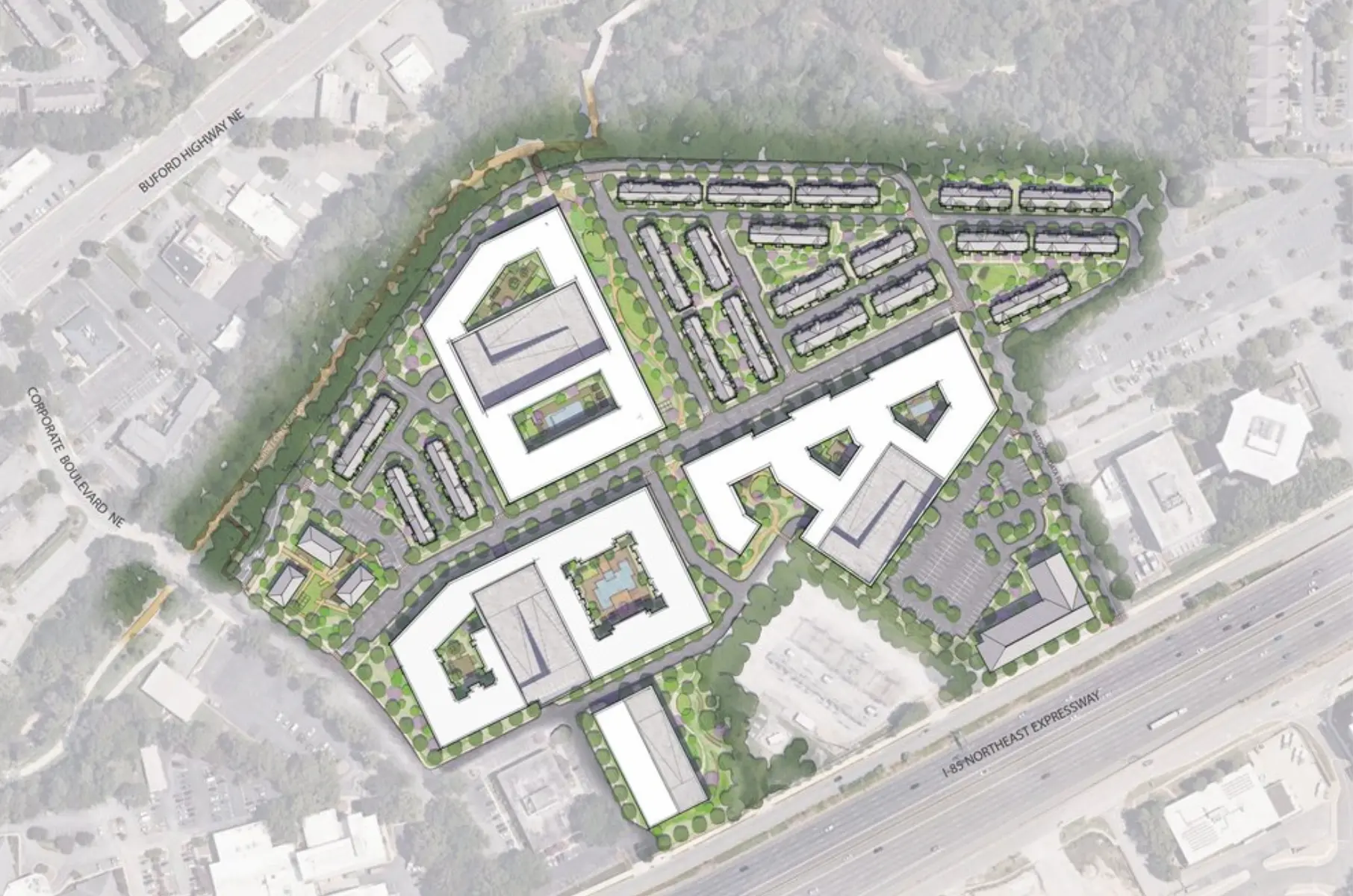
亚特兰大商业纪事报 | Peachtree Group继续在亚特兰大不断变化的房地产格局中发挥重要作用,最近为三个关键项目提供了超过1.5亿美元的融资。该公司的最新协议包括为布鲁克海文的6.05亿美元Northbend重建项目提供3570万美元的贷款,将企业广场改造成一个拥有住房、零售和绿地的混合用途社区。今年早些时候,Peachtree还资助了亚特兰大金融中心和位于南方天然气竞技场附近的新亚特兰大格温内特威斯汀酒店,这凸显了其作为东南部最活跃的私人信贷提供商之一的影响力日益增强。

桃树团 是一家全国性的直接接纳资产负债表单贷款机构,提供有竞争力的条款、内部贷款服务和灵活的资本,以处理各种各样的项目。
Peachtree为美国各行各业的合伙商业地产所有者提供全额债务资本解决方案。我们提供桥梁、建构、层、优先股、 CPACE,永久性和 NNN 投资。
有关来自有的一些最新贷款,请参见下文 桃树团 包括酒店贷款、零售、多户住宅、工业和土地。点击这里查看我们的 投资组合。
%252520%252520(1).gif)
需要投资? 请通过 lending@peachtreegroup.com 联系我们。
.gif)
桃树集成的第一笔抵押贷款和2240万美元人民币的商业地产清洁能源评估(CPACE)投资,用于开发位南加州拥有263间客房的双品牌酒店。该项目通过展会示PeachTree整合了团队执行先前贷款和CPACE贷款的能力,突破了其竞争优势。

在持续的信贷市场混乱中,桃树集结在短短23天内发放了4000万美元的追加资金的性空间贷款。

Peachtree Group 与赞助商合作,将加州利福尼亚州萨克拉曼多备用受众追踪该地区的一家零售商店改建为工业建立。

桃树团 与赞助商合作偿还了期内贷款,同时执行了一项商业计划,以升级其房产,以升级其房产,以更好地在市场上竞争对手并保留其希尔顿旗舰店。
Peachtree是一家特殊获奖的酒店贷款机构。 联系我们 来讨论你的交友。
